

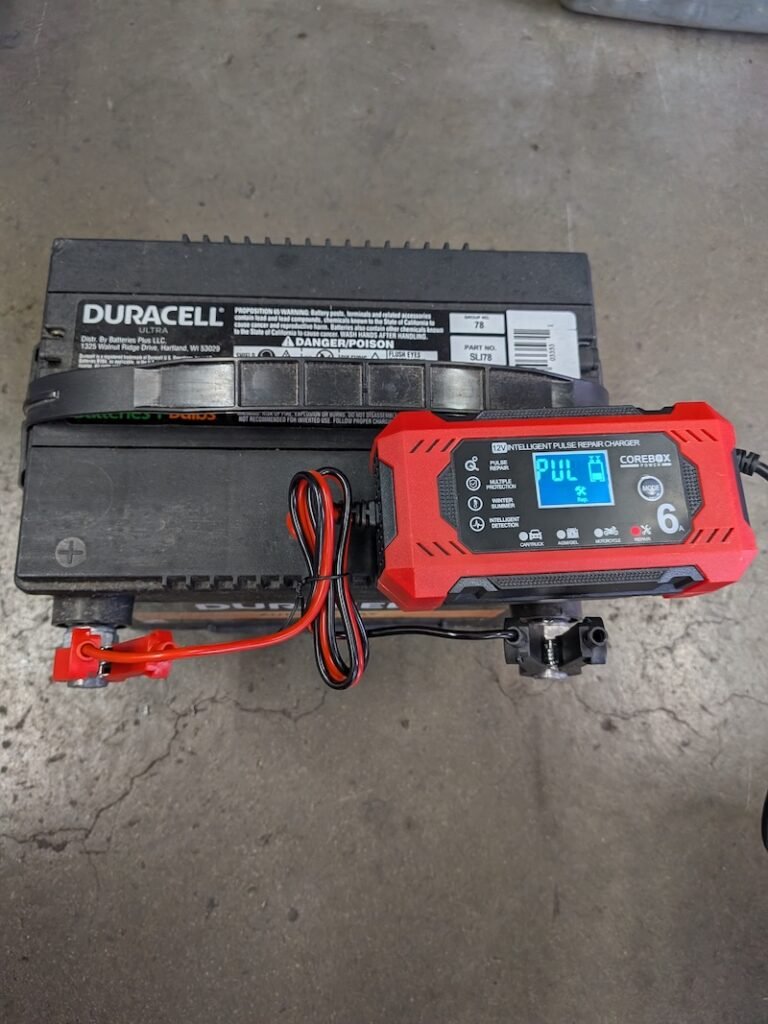
Don’t Let Winter Find Your Weak Spot: Car Battery Health
Southern Idaho has only seen one real snow “storm” so far this year. But the real cold still lies ahead. Once overnight temperatures drop and mornings bring hard freezes, one system in your vehicle takes the biggest hit: the battery. In this post, we examine car battery health.
At Garry’s Automotive, we see the same pattern every winter. A car starts fine one day, then refuses to crank the next morning. Drivers assume something suddenly failed, but cold weather rarely creates a brand-new problem. Cold weather exposes a weakness that already existed—usually in a battery nearing the end of its lifespan or one that has quietly lost capacity over time.
Why Cold Weather Hits Your Car Battery Health First
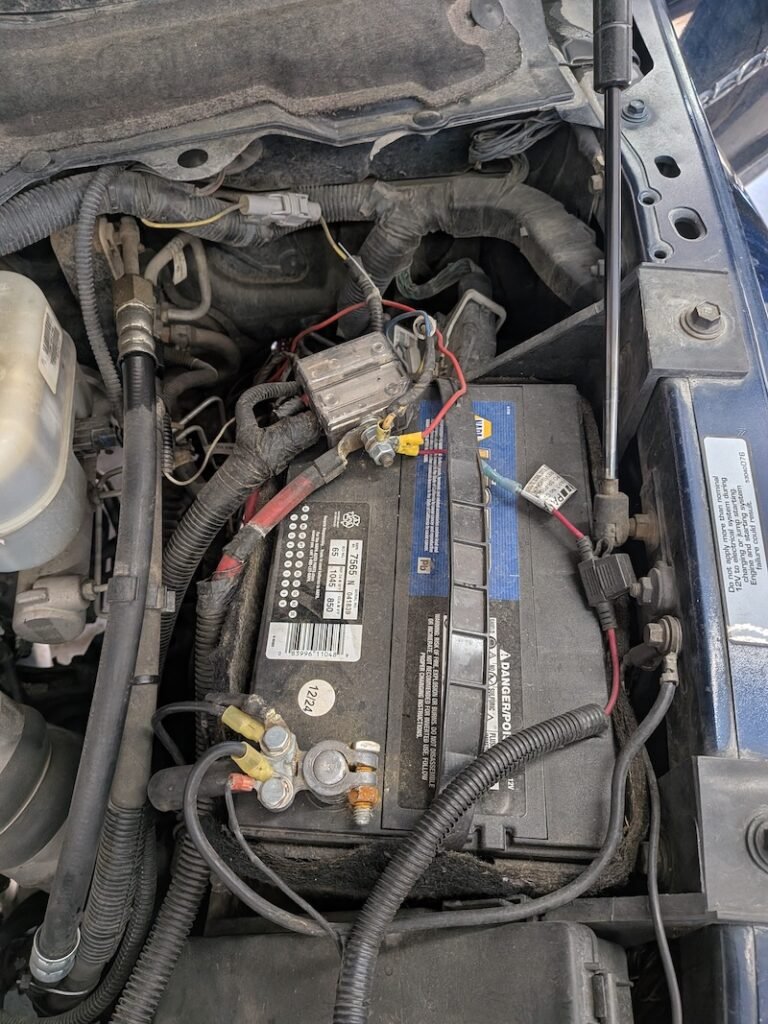
Your battery relies on a chemical reaction to produce power. Cold temperatures slow that reaction, reducing the amount of energy the battery can deliver. At the same time, your engine demands more power in cold weather. Oil thickens, internal components resist movement, and the starter motor works harder.
That combination creates the perfect stress test:
- Lower battery output
- Higher engine demand
- Increased risk of a no-start morning
A battery that feels fine in mild weather can fail the moment temperatures drop.
Heat Wears Car Battery Health Down, Cold Reveals the Damage
Many drivers blame winter for battery failure, but summer heat usually causes the underlying damage. Heat accelerates internal wear and plate degradation inside the battery. Cold weather then exposes that damage by reducing available power.
This explains why batteries fail during winter even though the wear often built up months earlier.
Battery Age Matters More Than Mileage
Battery lifespan depends more on time than miles. In Southern Idaho, most batteries last roughly three to five years, depending on driving habits, electrical load, and exposure to heat and vibration.
Once a battery reaches the later part of that range, cold weather becomes the deciding factor. The vehicle may still start in the afternoon, then refuse to start after a freezing night.
Short Trips Increase Winter Battery Risk
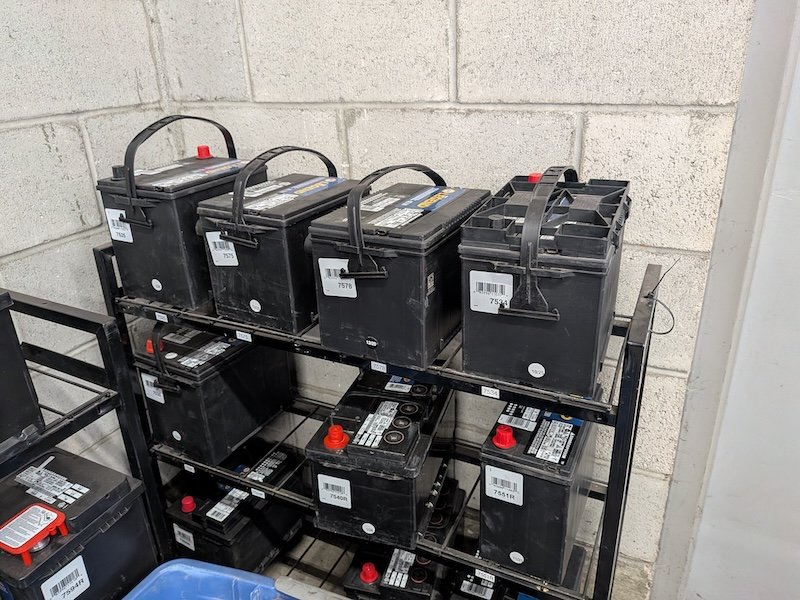
Cold-weather driving often involves short trips—commutes, errands, school drop-offs—with headlights, defrosters, heated seats, and blowers running immediately. Those systems draw power right after startup.
If the vehicle doesn’t run long enough, the alternator can’t fully recharge the battery. Over time, that pattern leads to:
- Chronic undercharging
- Reduced reserve capacity
- Faster battery decline
A battery can appear fine until it suddenly lacks the power to crank a cold engine.
What Cold Cranking Amps Mean in Idaho Winters
Battery labels list Cold Cranking Amps (CCA), which measure how much current a battery can deliver at 0°F. That number matters in cold climates like Southern Idaho.
As batteries age, CCA capacity drops quietly. The car may still start—until one cold morning pushes the battery past its limit.
This explains why voltage alone doesn’t tell the full story. A battery can show acceptable voltage while lacking the strength to start the engine under cold conditions.
Corrosion and Connections Matter More in Winter
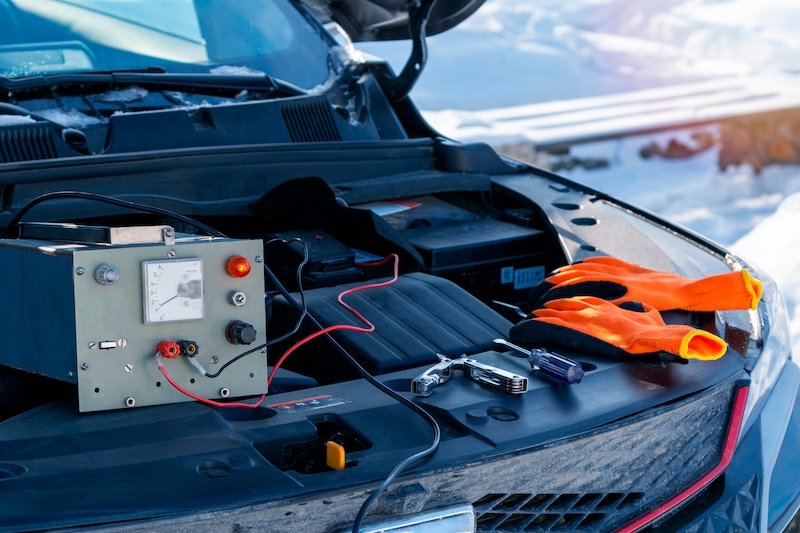
Battery terminals and cable connections play a major role in cold starts. Corrosion increases resistance. Loose connections limit current flow. Cold weather magnifies both problems because the starter demands more power.
Even minor corrosion can cause:
- Slow cranking
- Intermittent no-starts
- Clicking without turnover
- Flickering dashboard lights
Cleaning terminals and securing connections can restore performance if the battery still has usable life remaining.
The Charging System Still Affects Battery Health
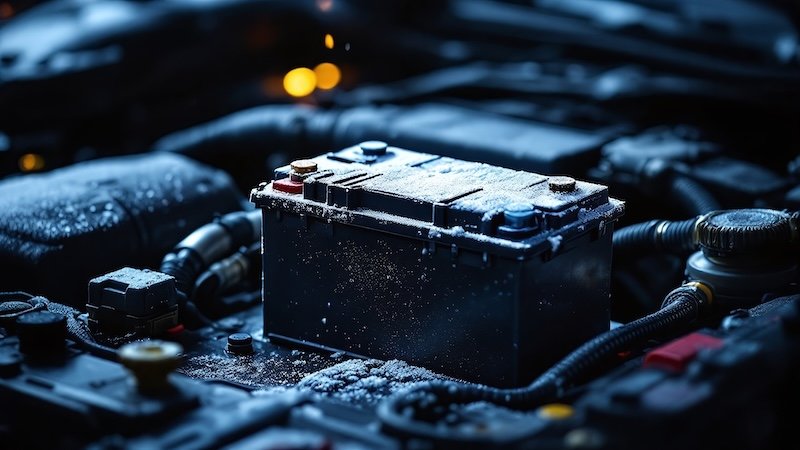
Battery problems don’t always start with the battery itself. A weak alternator, worn belt, or charging issue can prevent the battery from recharging fully—especially during short winter trips.
A proper winter readiness check evaluates:
- Battery strength under load
- Alternator output
- Cable condition and connections
- Electrical draw when the vehicle sits
That full assessment helps prevent repeat failures.
Warning Signs Drivers Often Ignore
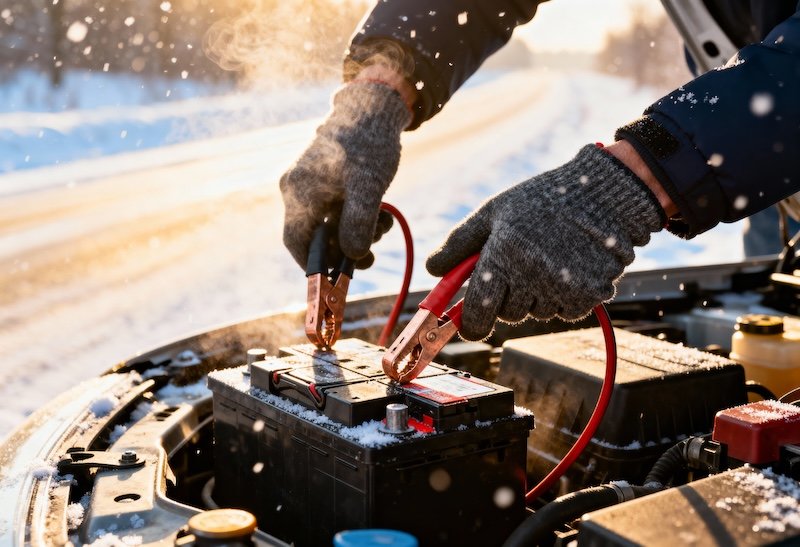
Battery failure usually gives warnings. Many drivers ignore them because the car still starts most of the time.
Common warning signs include:
- Slower cranking in the morning
- Headlights dimming during startup
- Flickering dashboard lights
- Electronics resetting
- Needing even one jump start
Addressing these signs early prevents inconvenient breakdowns later.
Why “It Started Yesterday” Doesn’t Guarantee Tomorrow
Battery failure can feel sudden because it happens at a threshold. Once capacity drops far enough, the battery may work one day and fail the next—especially after a colder-than-usual night.
Cold weather doesn’t forgive marginal electrical systems.
A Simple Step That Prevents Winter Breakdowns
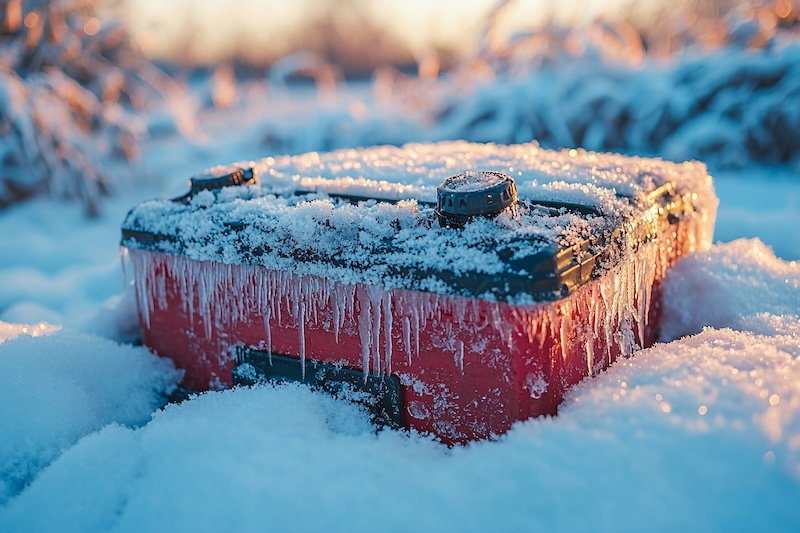
Battery testing takes only minutes and often prevents one of winter’s most frustrating problems. Testing under load provides a clear picture of battery health and charging performance.
Replacing a weak battery proactively costs far less than dealing with towing, missed appointments, or getting stranded in freezing weather.
Southern Idaho winter always arrives, even when snowfall starts slow. If your battery has a few years on it, if driving involves short trips, or if you’ve noticed slow starts, now is the time to check battery performance before the next cold snap settles in.
About Garry’s Automotive in Boise, Idaho
Garry’s Automotive delivers honest, expert auto repair and maintenance to drivers throughout Boise, Meridian, Nampa, Kuna, Eagle, Middleton, Star, Garden City, and the entire Treasure Valley. Our ASE-certified technicians combine old-fashioned integrity with advanced diagnostic technology, providing transparent service and repairs that last. Every visit includes a detailed digital vehicle inspection, clear communication, and industry-leading warranties backed by Napa® Auto Care Center peace-of-mind coverage. Whether you need routine maintenance or complex repairs, Garry’s Automotive keeps your vehicle reliable and safe for the long haul.