
Snowy Road Handling Tips for Safer Winter Driving in Boise
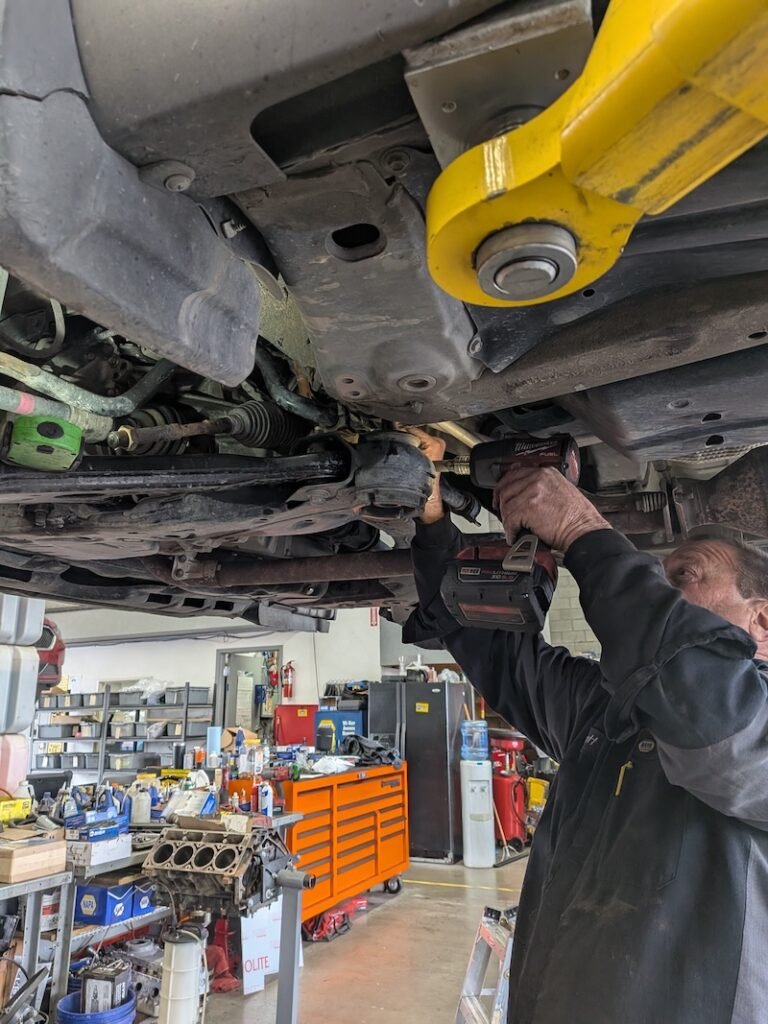
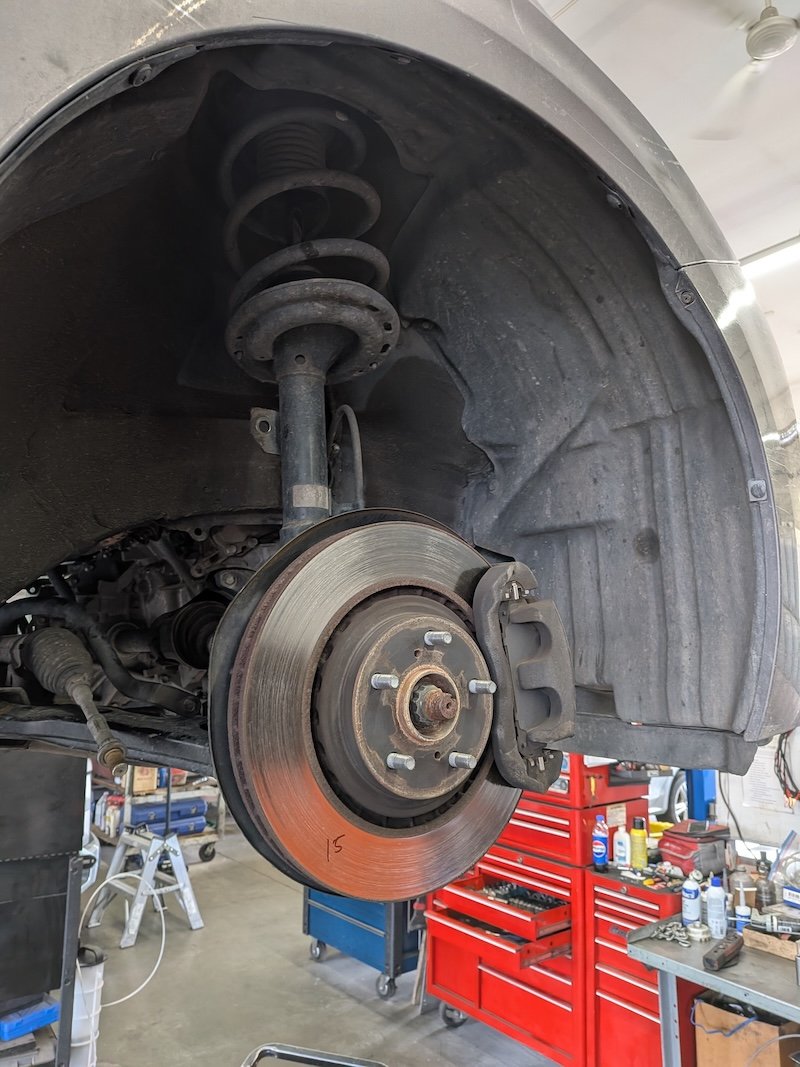
Winter driving in Boise and across the Treasure Valley demands more from your vehicle than almost any other season. Even when snowfall stays moderate, cold temperatures, icy patches, slush, and freeze-thaw cycles place significant stress on your suspension and steering systems.
At Garry’s Automotive in Boise, Idaho, we inspect suspension and steering components every winter for drivers who notice changes in handling. Many assume winter traction problems come down to tires alone. Tires matter, but suspension and steering play an equally critical role in maintaining control on snowy roads.
Understanding how winter conditions affect ride quality and steering safety helps you recognize warning signs before they turn into dangerous situations.
How Winter Impacts Suspension Components
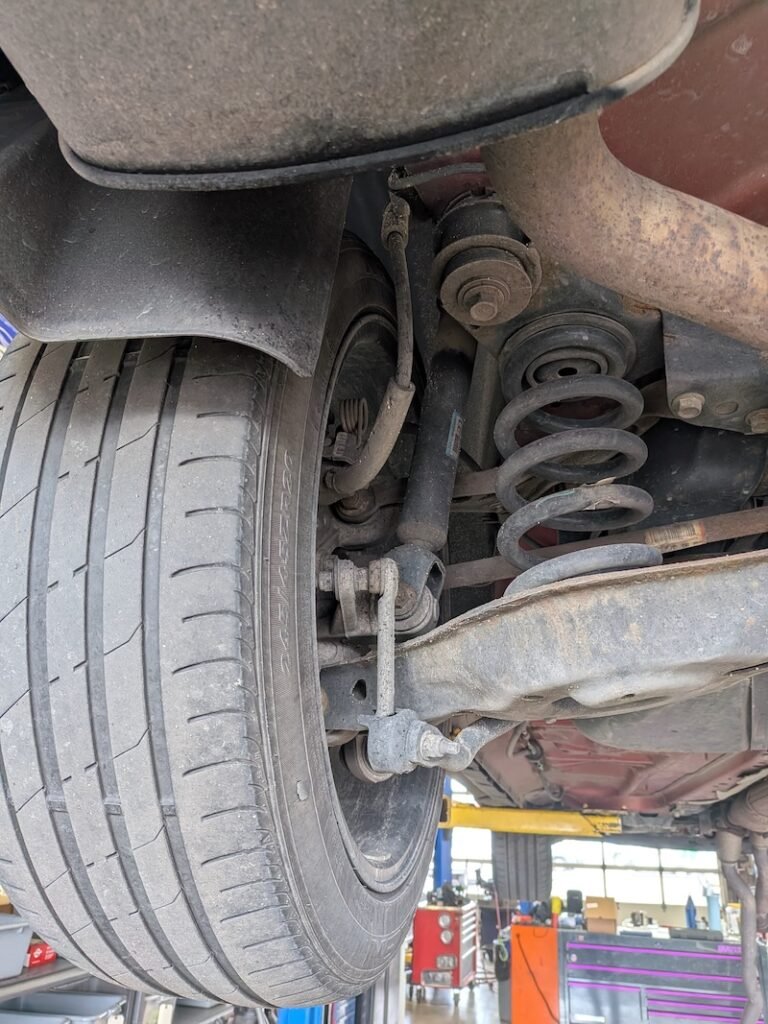
Your suspension system keeps tires firmly planted on the road. Shocks, struts, springs, control arms, and bushings work together to absorb impact and maintain stability. When these components weaken, your vehicle struggles to respond predictably—especially on slick surfaces.
Winter conditions accelerate wear in several ways:
• Cold temperatures stiffen rubber bushings
• Snowmelt and road salt promote corrosion
• Potholes form from freeze-thaw cycles
• Hidden ice increases impact forces
Boise roads frequently experience expansion and contraction during winter. That movement creates potholes and uneven pavement. Each impact transfers force into your suspension system. When shocks or struts become less effective with wear and tear over time, your tires bounce more and grip less. On icy roads, reduced contact significantly impacts control.
Steering Systems Under Winter Stress
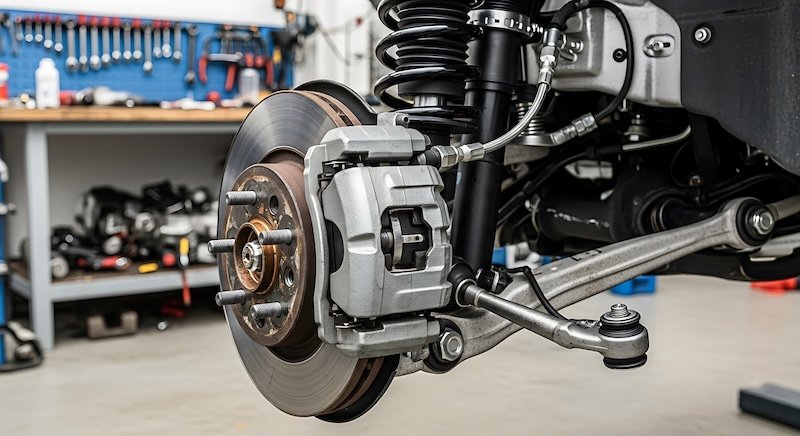
Your steering components—tie rods, ball joints, steering rack, and power steering systems—also endure winter strain.Cold weather thickens fluids. Road debris and moisture introduce contamination risks. Pothole impacts knock alignment angles out of specification.
You may notice:
• Steering wheel vibration
• Vehicle pulling to one side
• Delayed steering response
• Uneven tire wear
On snowy roads, even small steering inconsistencies magnify risk. Precise steering allows you to correct slides gradually and maintain control. Worn components reduce responsiveness at exactly the wrong time.
Why Ride Quality Changes in Winter

Many drivers report that their vehicle “feels different” during winter months. That sensation often relates to suspension stiffness combined with cold tire pressure fluctuations.
When temperatures drop, tire pressure decreases. Lower pressure affects handling and steering feel. Combined with aging shocks or worn bushings, the vehicle may feel loose or unsettled. If your car sways excessively when turning, dips forward under braking, or leans during lane changes, your suspension likely needs inspection.
Winter exposes weaknesses that may remain unnoticed during summer driving.
Misalignment causes:
Snow, Slush, and Alignment
Proper wheel alignment ensures your tires maintain consistent contact with the road. Hitting hidden potholes under snow frequently shifts alignment angles.
• Uneven tire wear
• Reduced traction
• Increased steering effort
• Decreased fuel efficiency
On snowy roads, you rely on every inch of tire contact. Poor alignment reduces stability during braking and cornering. If your steering wheel sits off-center or your vehicle drifts on straight roads, schedule an alignment inspection. Small corrections significantly improve winter handling.
Practical Snowy Road Handling Tips
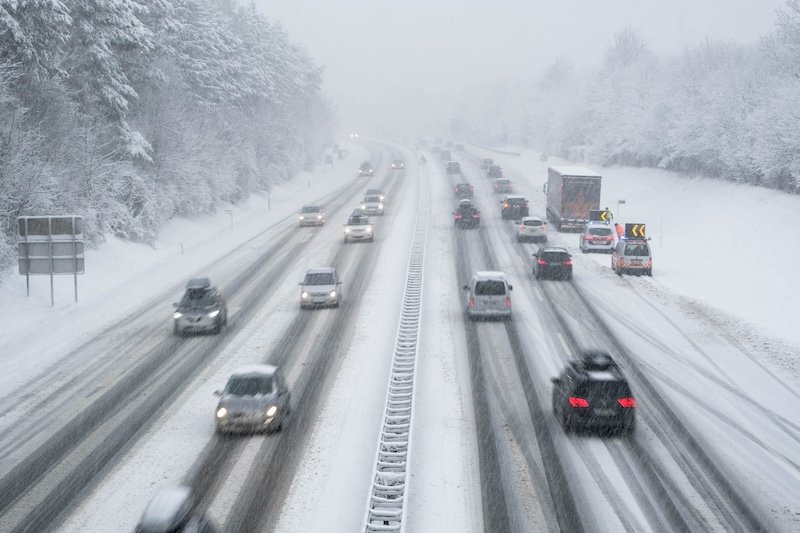
Even with a well-maintained suspension and steering system, winter driving requires adjustments.
To maintain control:
• Slow down before turns
• Increase following distance
• Avoid sudden steering inputs
• Brake gently and progressively
• Keep both hands firmly on the wheel
Smooth inputs preserve traction. Abrupt movements overwhelm even well-maintained suspension systems. Before winter weather intensifies, schedule a steering and suspension inspection. Proactive maintenance protects you and your passengers.
Signs You Shouldn’t Ignore This Winter

Visit Garry’s Automotive in Boise, Idaho if you notice:
• Excessive bouncing after hitting bumps
• Steering looseness or clunking sounds
• Uneven or rapid tire wear
• Pulling during braking
• Increased body roll in turns
Winter roads demand precise vehicle response. Compromised suspension and steering systems reduce your ability to react safely.
Why Local Experience Matters

Boise winters create unique driving conditions. Some days bring snow accumulation. Others create icy morning commutes followed by afternoon melt. These rapid changes challenge vehicle systems. At Garry’s Automotive, we understand how Treasure Valley weather affects suspension and steering components. Our experienced technicians evaluate wear patterns, test steering response, inspect alignment, and recommend practical solutions.
We do not recommend unnecessary repairs. We focus on safety, performance, and long-term reliability. If your vehicle feels unstable on snowy roads, don’t assume it’s “just winter.” Proper suspension and steering maintenance restore control and improve ride quality year-round.
Schedule an inspection today at Garry’s Automotive in Boise, Idaho. Stay confident behind the wheel—no matter what Idaho winter brings.
About Garry’s Automotive in Boise, Idaho
Garry’s Automotive has proudly served drivers in Boise and the Treasure Valley with honest, high-quality automotive repair and maintenance services. Our experienced technicians provide comprehensive diagnostics, repairs, and preventative maintenance to keep your vehicle running safely and efficiently. We focus on transparency, integrity, and exceptional customer service. Whether you need suspension repair, steering service, or complete vehicle maintenance, contact Garry’s Automotive today and experience the difference a trusted local shop can make.