
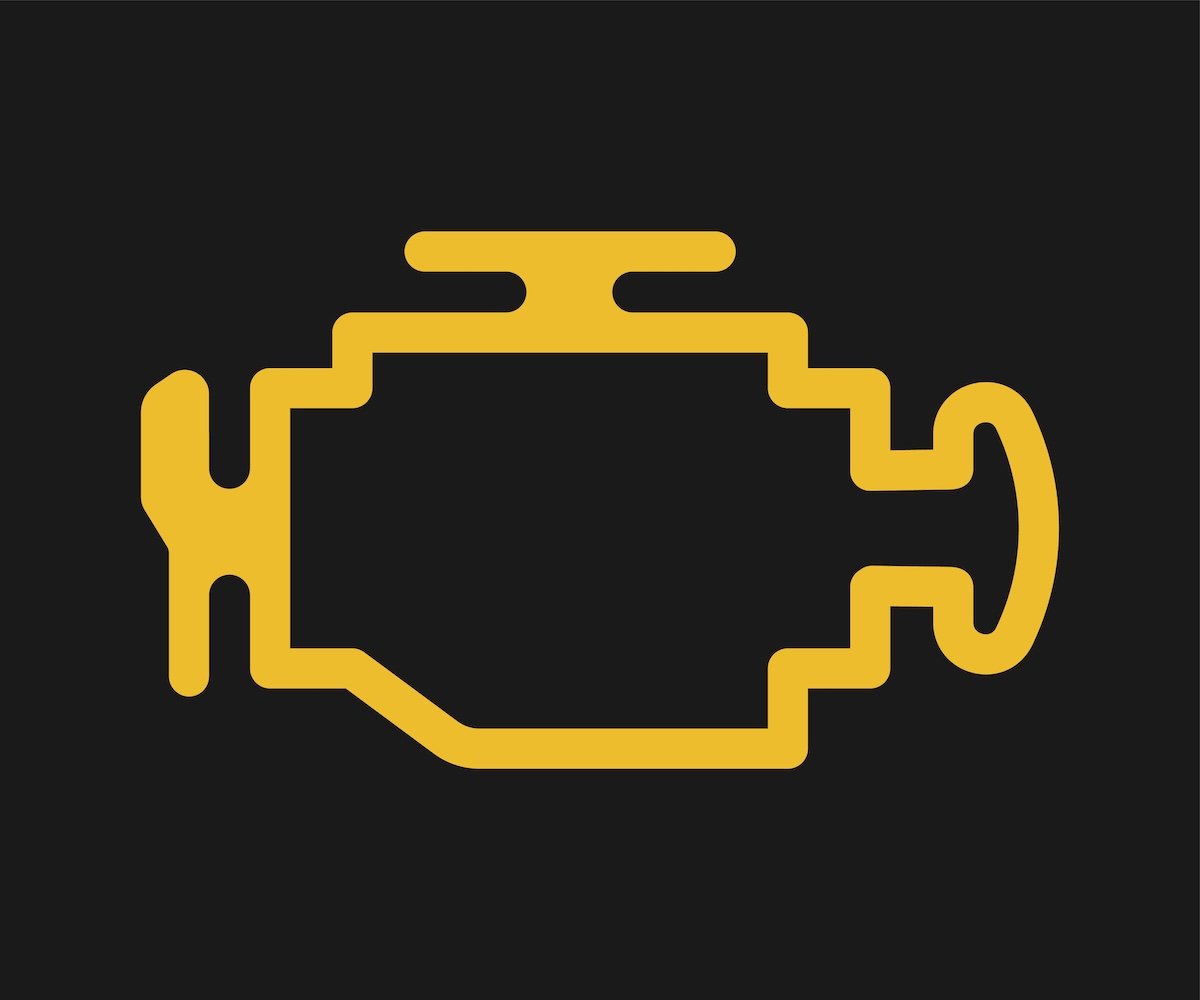
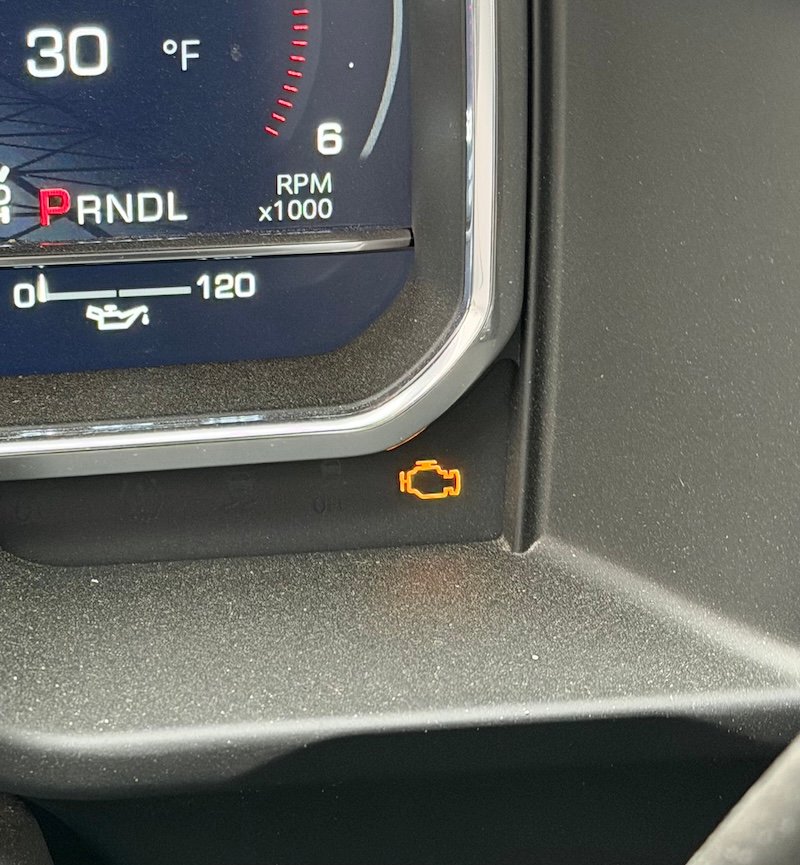
Few dashboard lights cause more confusion or anxiety than the check engine light. It can turn on without warning, stay illuminated for days, or disappear just as mysteriously as it appeared. Some drivers panic immediately. Others ignore it for months. Both reactions can lead to unnecessary expense.
The truth sits somewhere in between. A check engine light doesn’t always signal a catastrophic failure, but it never turns on by accident. Modern vehicles rely on complex computer systems designed to monitor engine performance, emissions, and overall drivability. When something falls outside acceptable limits, the system records the issue and alerts the driver.
At Garry’s Automotive, we help drivers throughout the Treasure Valley understand what that warning light actually means — and more importantly, what to do next.
Why the Check Engine Light Exists
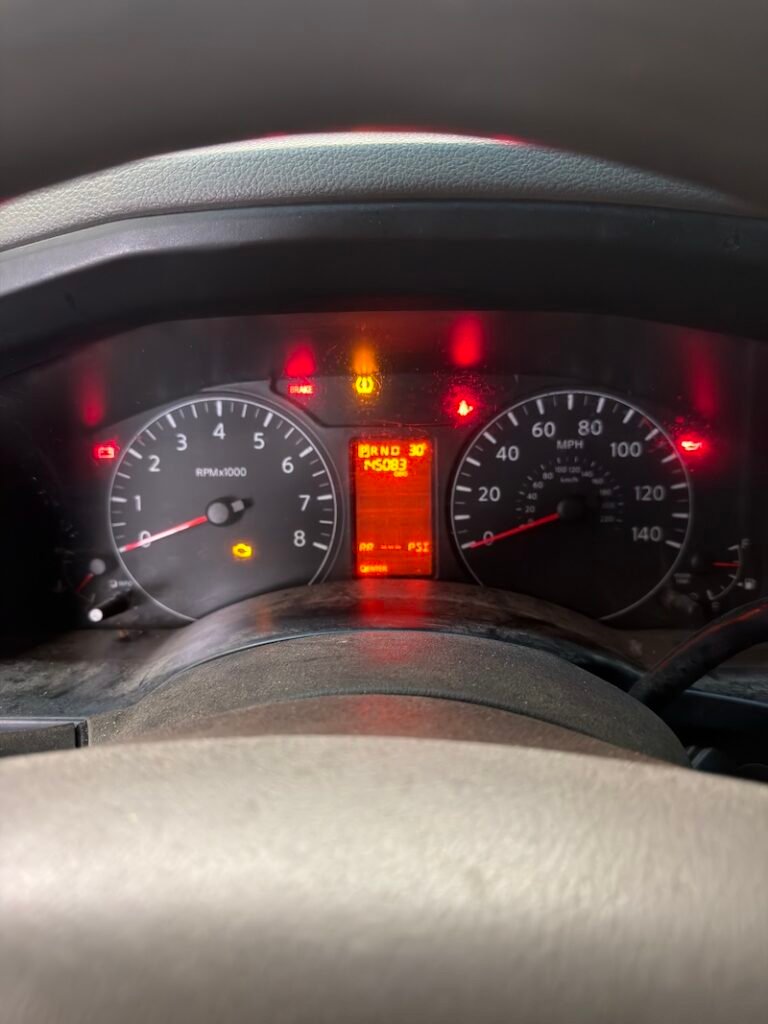
Today’s vehicles contain dozens of sensors monitoring everything from fuel delivery to exhaust output. These sensors constantly send data to the vehicle’s onboard computer. When the computer detects a problem, it stores a diagnostic trouble code and triggers the check engine light.
That light acts as an early warning system. It exists to alert drivers before small problems grow into major repairs. Ignoring it removes that early advantage.
What the Check Engine Light Can Indicate
The check engine light covers a wide range of potential issues. Some problems require immediate attention. Others allow time for proper diagnosis and planning.
Common triggers include:
- faulty oxygen sensors
- loose or damaged gas caps
- misfiring spark plugs or ignition coils
- mass airflow sensor problems
- fuel system irregularities
- emissions system faults
- vacuum leaks
- failing catalytic converters
Without proper diagnostics, guessing the cause leads to wasted money and incomplete repairs. Replacing parts blindly often masks symptoms instead of solving the root problem.
Why Reading a Code Isn’t the Same as Diagnosing a Problem
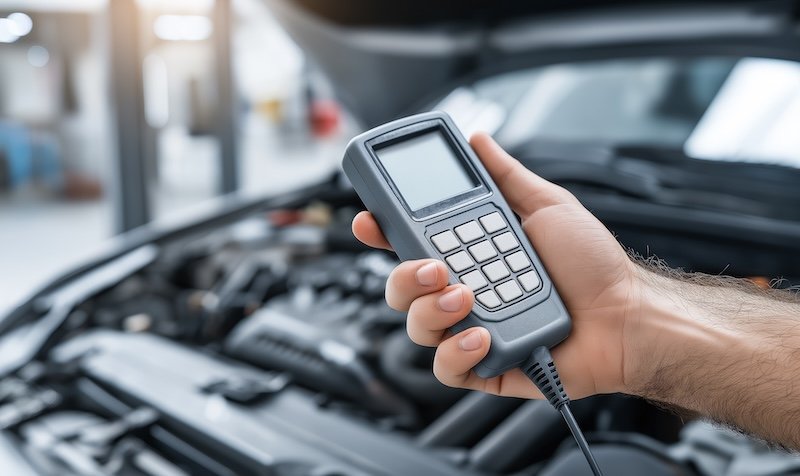
Many auto parts stores offer free code scans. While those scans identify a general trouble code, they don’t provide a diagnosis.
A diagnostic trouble code simply points technicians toward a system — not the exact failure. For example, a code related to fuel mixture doesn’t automatically mean a fuel pump needs replacement. The issue could stem from a sensor, wiring fault, vacuum leak, or software irregularity.
Professional diagnostics go much deeper than pulling a code.
What Professional Engine Diagnostics Actually Involve
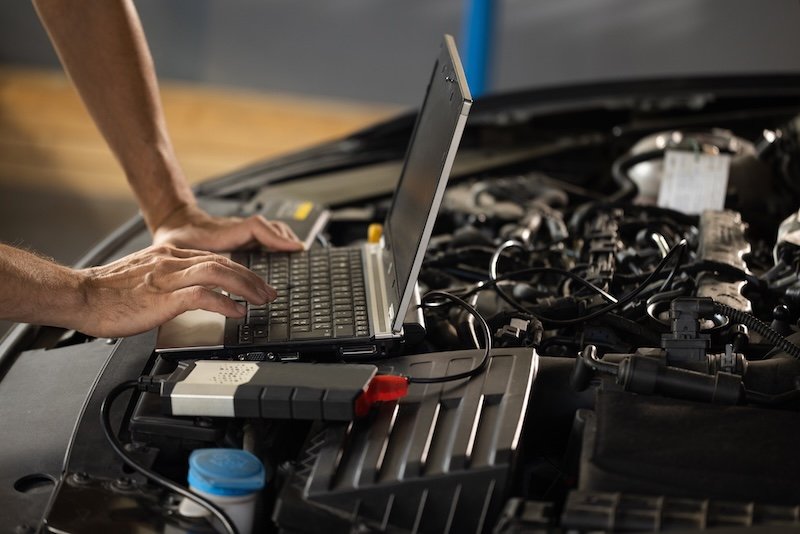
At Garry’s Automotive, engine diagnostics involve a structured, methodical process. Technology plays an important role, but skilled technicians drive the outcome.
Professional diagnostics typically include:
- advanced scan tool analysis
- live data evaluation while the engine runs
- system-specific testing
- physical inspections of components
- verification of manufacturer specifications
- confirmation testing after repairs
This process allows technicians to confirm the true cause of the problem instead of guessing.
Why Technology Alone Isn’t Enough

Modern diagnostic tools provide incredible insight, but they don’t replace experience. A scan tool may show dozens of data points at once. Understanding which numbers matter — and why — requires training and real-world knowledge.
Experienced technicians recognize patterns. They understand how one failing component can trigger multiple fault codes. They know when a code points directly to a failure and when it signals a secondary symptom.
At Garry’s Automotive, our ASE-certified technicians combine diagnostic technology with hands-on expertise to ensure accurate results.
The Risks of Ignoring the Check Engine LightSome drivers continue driving with the check engine light on because the car “still runs fine.” That choice often leads to bigger problems later.
Ignoring the warning light can result in:
- reduced fuel efficiency
- increased emissions
- engine damage from misfires
- catalytic converter failure
- failed emissions testing
- higher repair costs over time
Addressing issues early usually costs far less than waiting until the problem escalates.
When the Check Engine Light Flashes
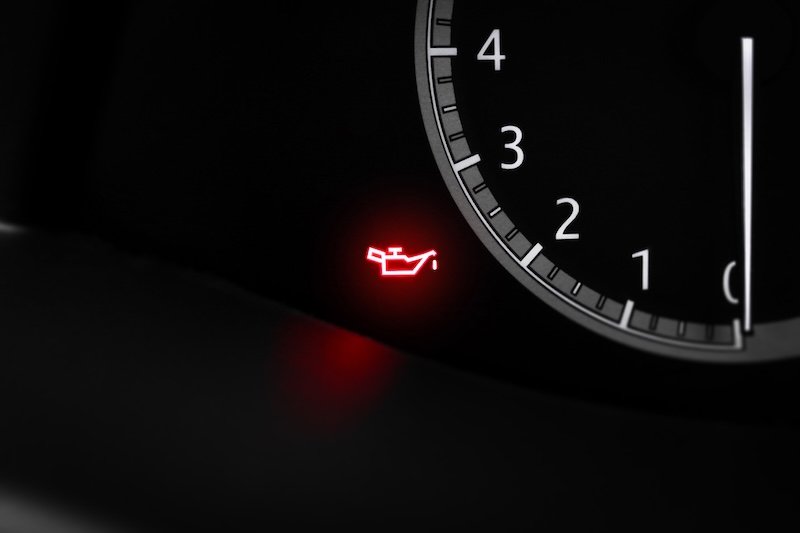
A flashing check engine light signals a serious problem that requires immediate attention. This condition often indicates a severe misfire that can damage the catalytic converter in a short amount of time.
When the light flashes:
- reduce driving immediately
- avoid high speeds
- schedule professional service as soon as possible
Continuing to drive under these conditions increases the risk of major engine damage.
How Digital Inspections Improve Transparency
Modern diagnostics don’t stop at identifying the issue. At Garry’s Automotive, every visit includes a digital vehicle inspection. This inspection provides photos, notes, and clear explanations of findings.
Digital inspections help drivers:
- identify the problem instead of relying on guesswork
- understand recommended repairs
- prioritize maintenance decisions
- feel confident about next steps
Clear communication builds trust and eliminates surprises.
Why Accurate Diagnostics Save Money
Accurate diagnostics prevent unnecessary
repairs. Replacing parts without confirmation often leads to repeat visits and higher costs. Proper diagnostics ensure technicians fix the correct issue the first time.
This approach:
- reduces repeat failures
- protects related engine components
- shortens repair timelines
- preserves long-term vehicle reliability
Spending a little time upfront on diagnostics saves far more money in the long run.
What to Do When Your Check Engine Light Turns On
If your check engine light illuminates:
- Pay attention to how the vehicle drives.
- Watch for changes in performance, fuel economy, or noises.
- Avoid ignoring the issue, even if the car feels normal.
- Schedule professional diagnostics with a trusted repair shop.
Prompt evaluation keeps small problems from turning into expensive repairs.
Diagnostics Support Preventive Maintenance
Engine diagnostics don’t only fix problems — they support preventive care. Identifying early warning signs allows technicians to address wear before failure occurs.
This proactive approach extends vehicle life, improves reliability, and reduces unexpected breakdowns.
Confidence Comes From Understanding


Technology helps identify issues, but knowledge creates confidence. When drivers understand what their vehicle communicates, they make better decisions and avoid unnecessary stress.
At Garry’s Automotive, we believe diagnostics should inform — not intimidate. Our goal involves helping drivers understand their vehicles while providing reliable repairs that last.
If your check engine light has turned on, professional diagnostics matter. Getting the right answer early keeps your vehicle safe, efficient, and dependable.
About Garry’s Automotive in Boise, Idaho
Garry’s Automotive delivers honest, expert auto repair and maintenance to drivers throughout Boise, Meridian, Nampa, Kuna, Eagle, Middleton, Star, Garden City, and the entire Treasure Valley. Our ASE-certified technicians combine old-fashioned integrity with advanced diagnostic technology, providing transparent service and repairs that last. Every visit includes a detailed digital vehicle inspection, clear communication, and industry-leading warranties backed by Napa® Auto Care Center peace-of-mind coverage. Whether you need routine maintenance or complex repairs, Garry’s Automotive keeps your vehicle reliable and safe for the long haul.