
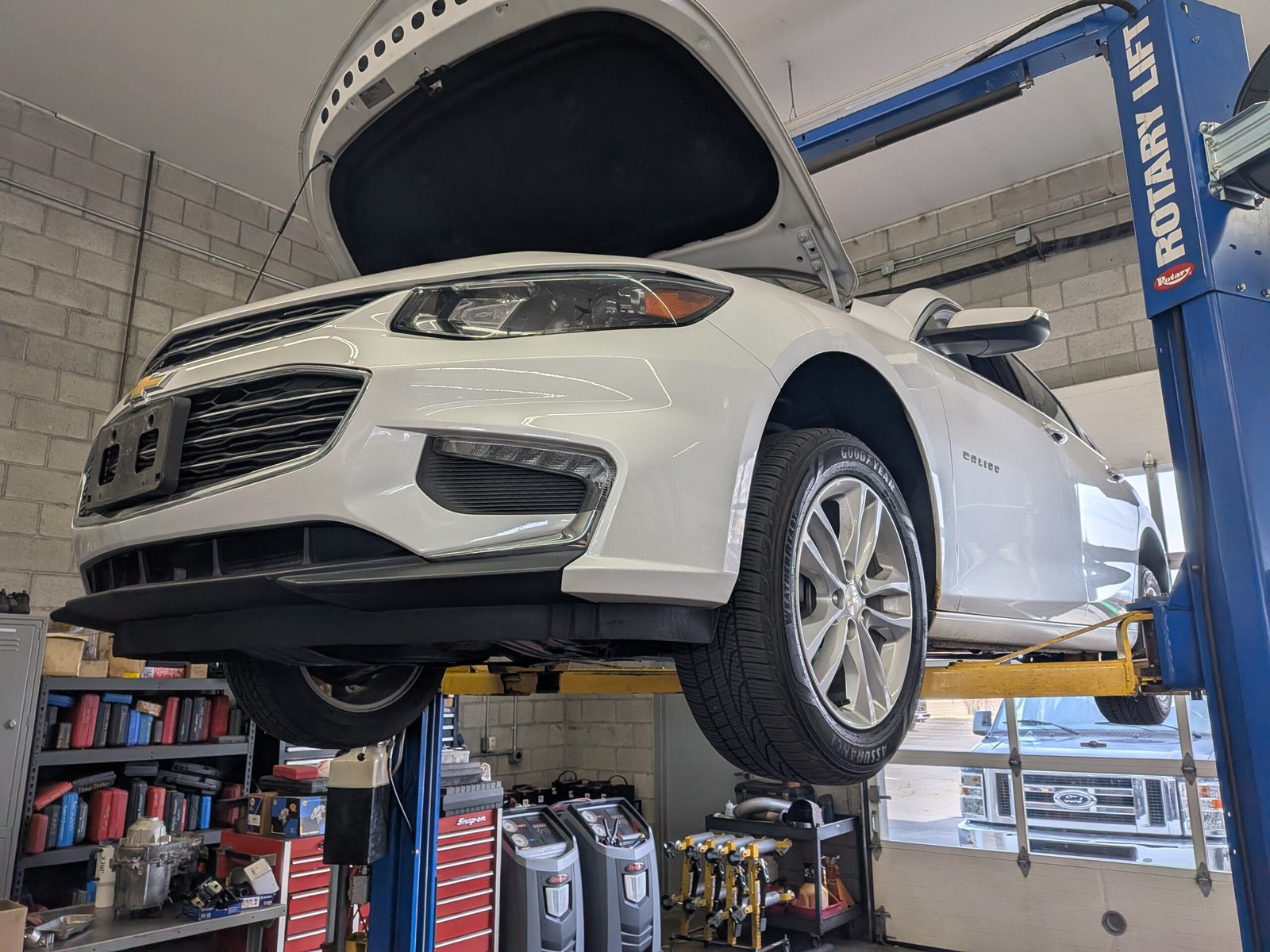
Seasonal transitions place unique demands on vehicles. Even in areas like Boise and the rest of the Treasure Valley where winters can vary from mild to harsh, colder months still affect critical vehicle systems. As temperatures begin to climb, drivers should take time to prepare their vehicles for warmer weather conditions.
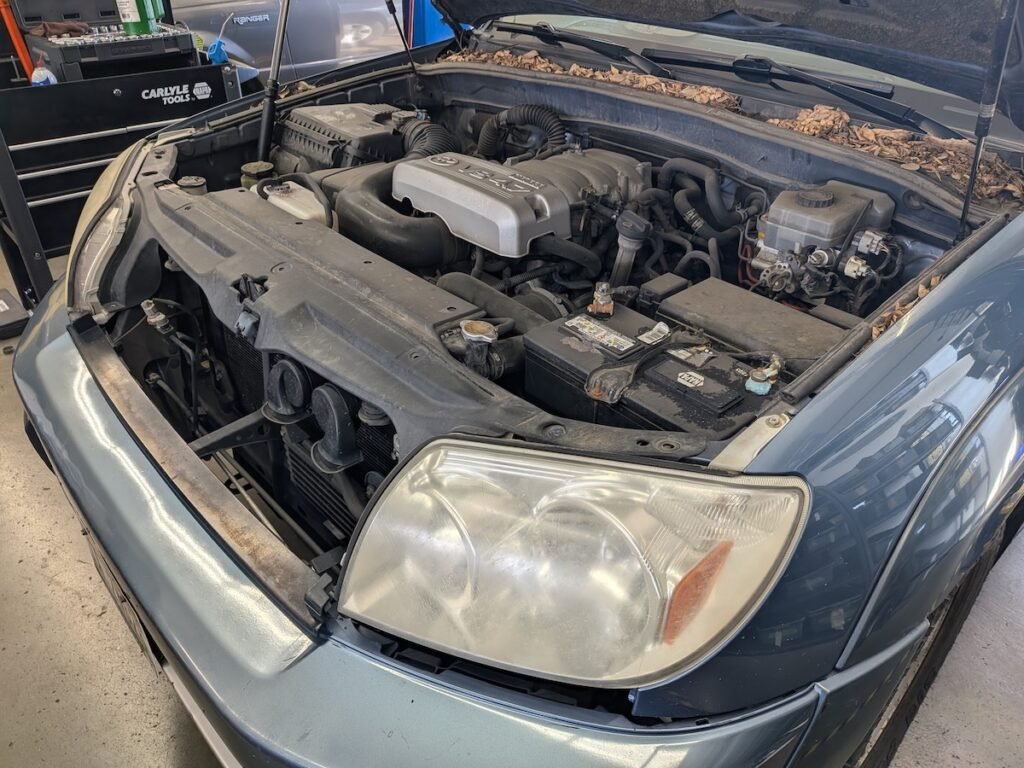
Seasonal maintenance helps prevent unexpected breakdowns, improves driving safety, and protects long-term vehicle performance. Preparing a vehicle for warmer temperatures involves more than simply rolling down the windows and turning on the air conditioning. Several key systems require attention after months of cold weather driving.
Cooling systems, air conditioning performance, tire condition, alignment, and fluid levels all play a role in keeping a vehicle operating smoothly as temperatures rise. A proactive seasonal inspection helps identify potential issues early and keeps drivers on the road with confidence.
Why Seasonal Transitions Affect Vehicles

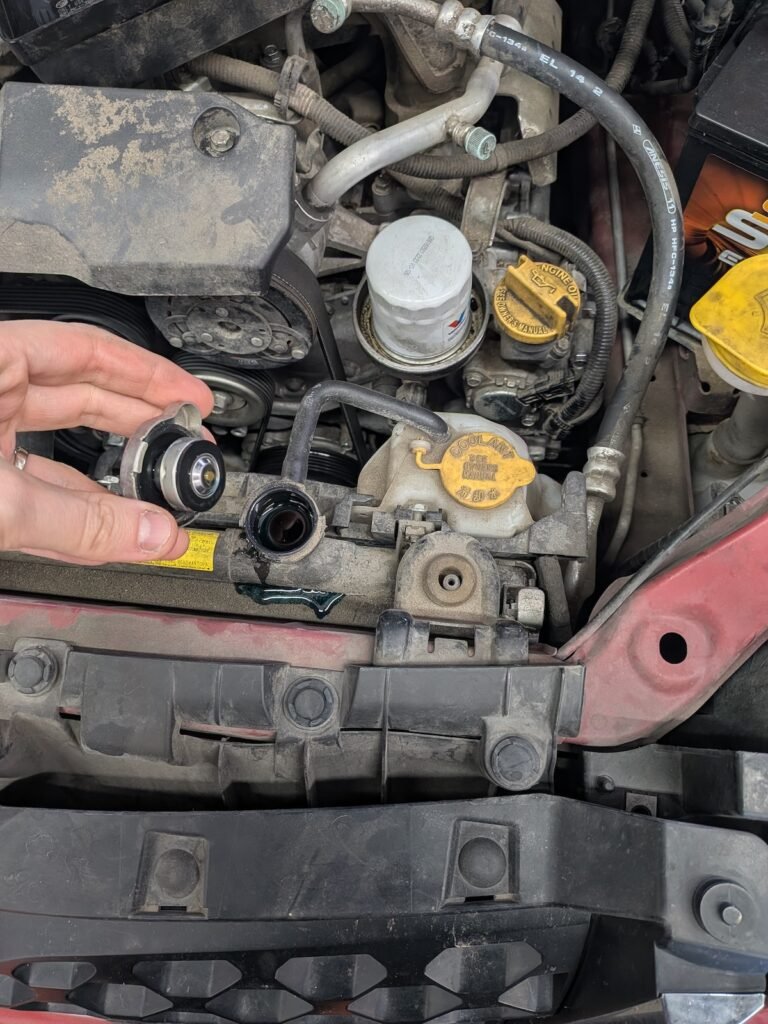
Temperature swings place stress on multiple vehicle components. Cold weather thickens fluids, hardens rubber components, and places additional strain on engines during startup. Road salt, moisture, and debris can also accelerate wear during winter driving.
As temperatures begin to rise, systems that remained dormant or under strain during colder months begin working under new conditions. For example, the cooling system shifts from preventing freezing to managing heat generated by the engine. Without proper maintenance, small issues that developed during winter may turn into larger mechanical problems as the weather warms. Taking a little time to evaluate key systems can help prevent costly repairs later in the season.
Check the Cooling System Before Temperatures Rise
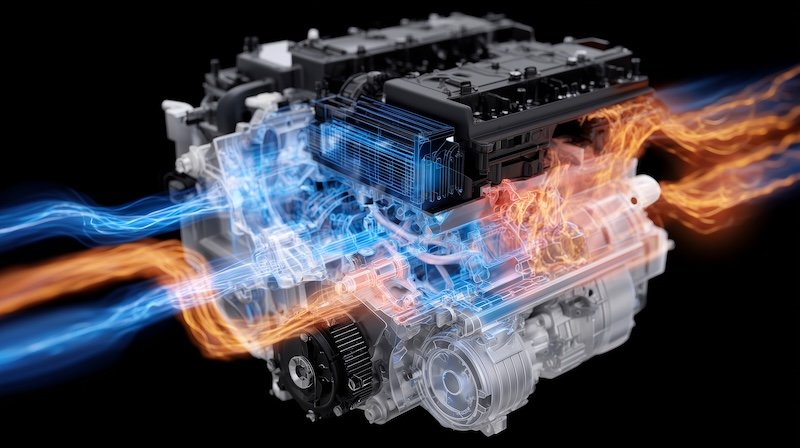
One of the most important components to inspect during seasonal transitions is the engine cooling system. Engines generate significant heat during normal operation. The cooling system regulates that heat using a combination of coolant, hoses, the radiator, water pump and thermostat. If any part of this system fails, the engine can overheat quickly. Overheating can cause severe engine damage, including warped cylinder heads or blown head gaskets.
Drivers should look for signs of cooling system issues such as:
• Coolant leaks under the vehicle
• Low coolant levels in the reservoir
• Cracked or brittle radiator hoses
• Rising engine temperature on the dashboard gauge
Technicians may recommend a coolant flush or pressure test to confirm the system operates properly before summer heat arrives. Routine cooling system maintenance protects one of the most expensive components in the vehicle: the engine itself.
Test Your Air Conditioning System Early

After months of cold weather, drivers often discover air conditioning problems the first time temperatures climb. Waiting until the hottest day of the year to test the system can lead to uncomfortable drives and unexpected repair appointments.
Air conditioning systems rely on refrigerant pressure, electrical components, compressors, and cabin airflow systems. Over time, seals can dry out or refrigerant levels may drop slightly. A quick performance test allows technicians to verify that the system blows cold air and maintains proper pressure levels.
Common air conditioning issues include:
• Weak airflow from vents
• Air that fails to cool properly
• Unusual noises when the system runs
• Musty odors coming from the vents
Addressing these issues early keeps the cabin comfortable during warmer weather and prevents additional stress on AC components.
Inspect Tire Wear and Alignment
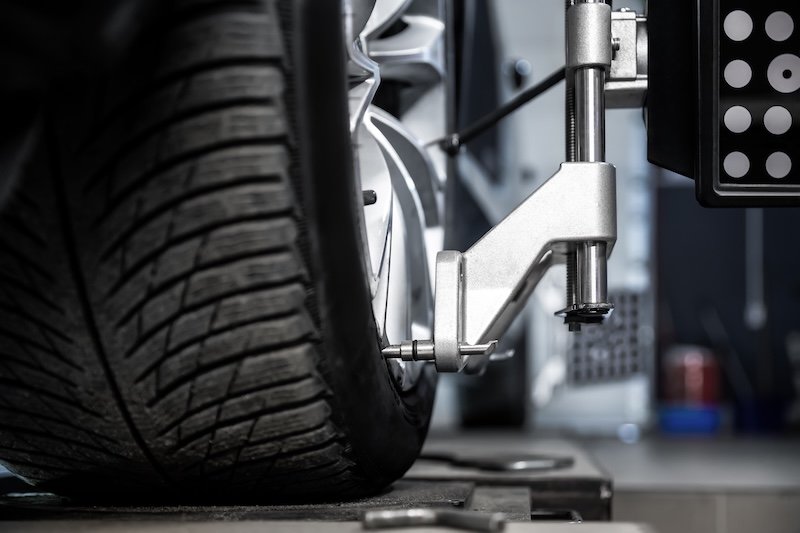
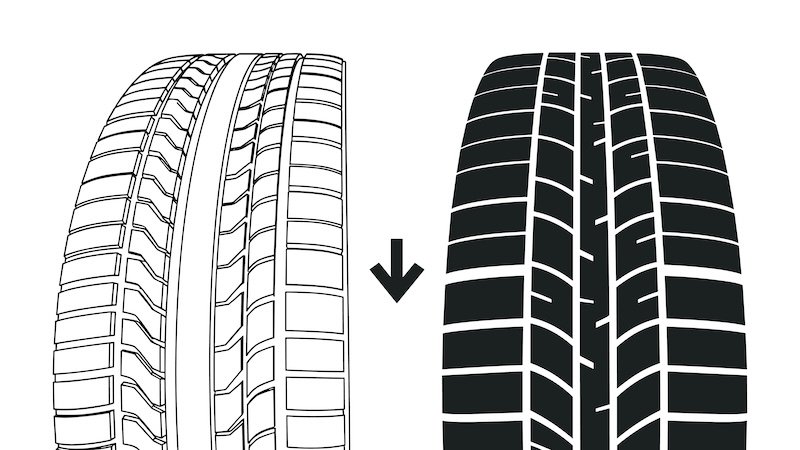
Temperature changes affect tire pressure, road conditions, and suspension components. Winter driving sometimes introduces potholes, road debris, and uneven surfaces that may affect alignment.
Misaligned wheels can cause tires to wear unevenly. Drivers might notice steering pull, vibration, or rapid tread wear if alignment problems develop. Checking tire condition during seasonal transitions helps identify potential safety concerns.
Technicians typically examine:
• Tread depth and wear patterns
• Tire pressure levels
• Sidewall damage or cracking
• Alignment and steering response
Properly aligned tires improve vehicle handling, extend tire lifespan, and improve fuel efficiency. Drivers who plan road trips during warmer months especially benefit from ensuring tires remain in good condition before longer drives begin.
Top Off and Inspect Vehicle Fluids
Automotive fluids allow nearly every major vehicle system to operate properly. Seasonal changes provide a great opportunity to check fluid levels and replace aging fluids.
Important fluids to inspect include:
• Engine oil
• Transmission fluid
• Brake fluid
• Power steering fluid
• Coolant
• Windshield washer fluid
Low or contaminated fluids can lead to reduced performance, increased component wear, and in some cases system failure. Professional technicians can evaluate fluid condition and recommend replacement intervals based on manufacturer guidelines. Routine fluid maintenance supports long-term reliability and helps vehicles operate efficiently throughout changing seasons.
Seasonal Maintenance Helps Prevent Unexpected Repairs

Many vehicle breakdowns occur because small issues go unnoticed until they become larger mechanical problems.Seasonal maintenance inspections allow technicians to identify concerns early. Catching problems before they worsen helps drivers avoid roadside breakdowns and costly repairs.
A comprehensive seasonal inspection may reveal:
• Worn belts or hoses
• Minor fluid leaks
• Tire wear patterns
• Weak battery performance
• Suspension issues caused by rough roads
Addressing these items early keeps vehicles operating safely and reliably. Drivers who maintain their vehicles consistently often experience fewer unexpected problems throughout the year.
Prepare Your Vehicle Before Temperatures Climb

Seasonal preparation remains one of the best ways to protect a vehicle’s performance and longevity. Cooling systems, air conditioning components, tires, and fluids all require attention as temperatures begin to rise.
Drivers who schedule preventative maintenance early can address small concerns before warmer weather places additional stress on vehicle systems.
If your car has not received a seasonal inspection recently, the experienced team at Garry’s Automotive in Boise can help evaluate your vehicle and prepare it for the months ahead. Preventative maintenance today can save significant time, money, and frustration down the road.
About Garry’s Automotive in Boise, Idaho
Garry’s Automotive has proudly served Boise and the Treasure Valley for decades with honest, reliable automotive repair and maintenance. Known for their commitment to quality workmanship and transparent service, the team at Garry’s Automotive handles everything from routine maintenance to complex diagnostics and repairs. When drivers in Boise need dependable automotive service they can trust, Garry’s Automotive continues to deliver the expertise and integrity that keep customers returning year after year.