
Snow and Ice Driving Prep: Winter Brake Safety
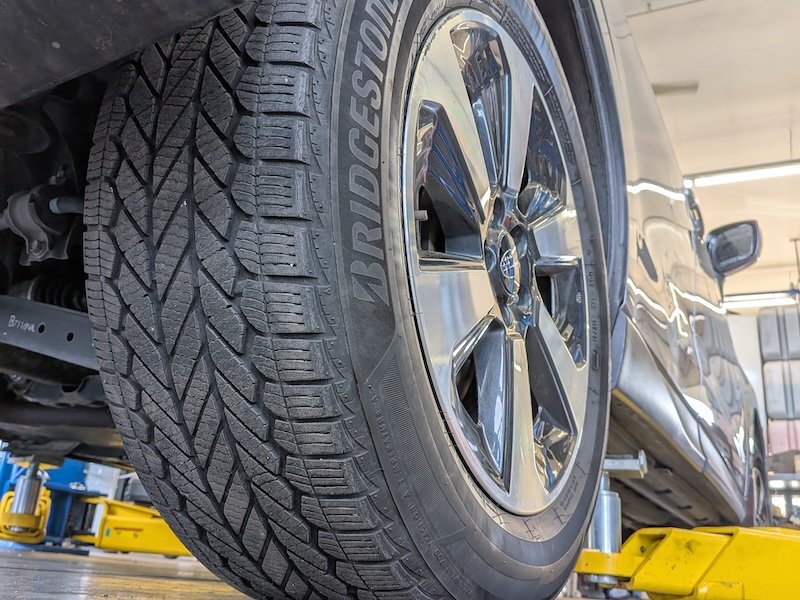
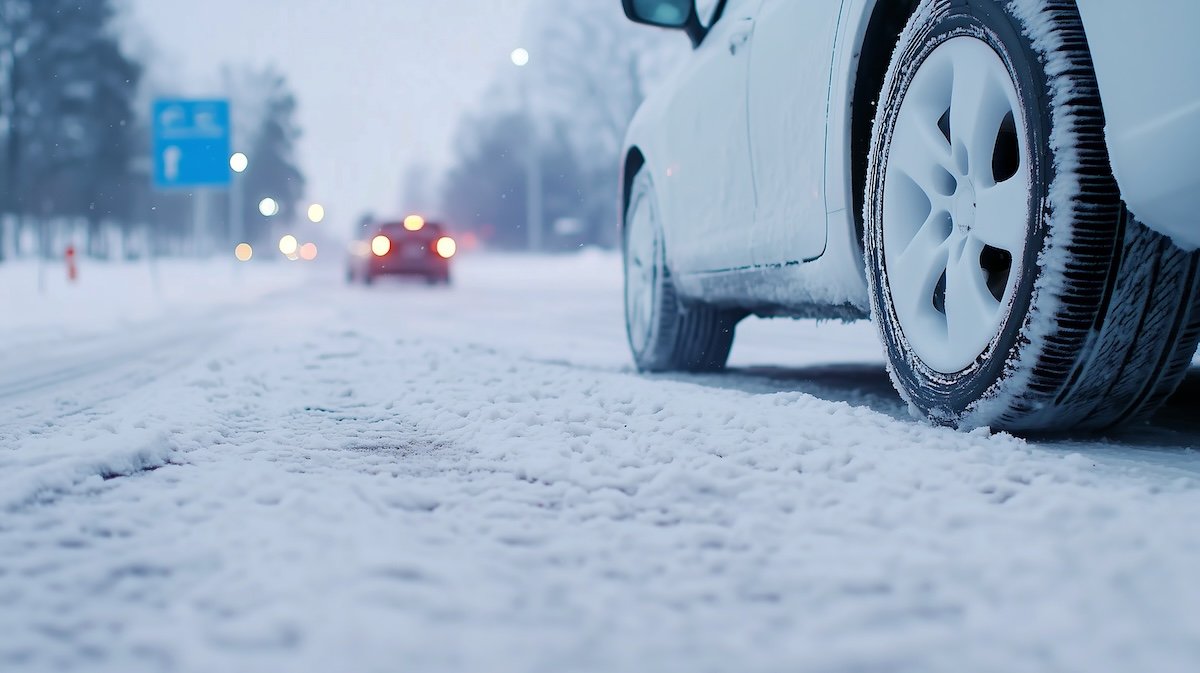
Despite our lack of true winter weather thus far, living in Idaho, we can expect to see some more snow before spring begins. And winter driving changes everything—especially how your vehicle stops. Snow-packed roads, ice, slush, and freezing temperatures dramatically increase stopping distances, even at low speeds. In places like Boise and across the Treasure Valley, winter conditions don’t forgive worn brakes or neglected maintenance.
Brakes operate as a system. Pads, rotors, fluid, and hydraulics all need to work together to bring your vehicle to a controlled stop. When winter weather arrives, weaknesses that stayed hidden during warmer months quickly surface.
Preparing your brakes for snow and ice helps protect you, your passengers, and everyone else on the road.
Why Stopping Distance Increases in Winter
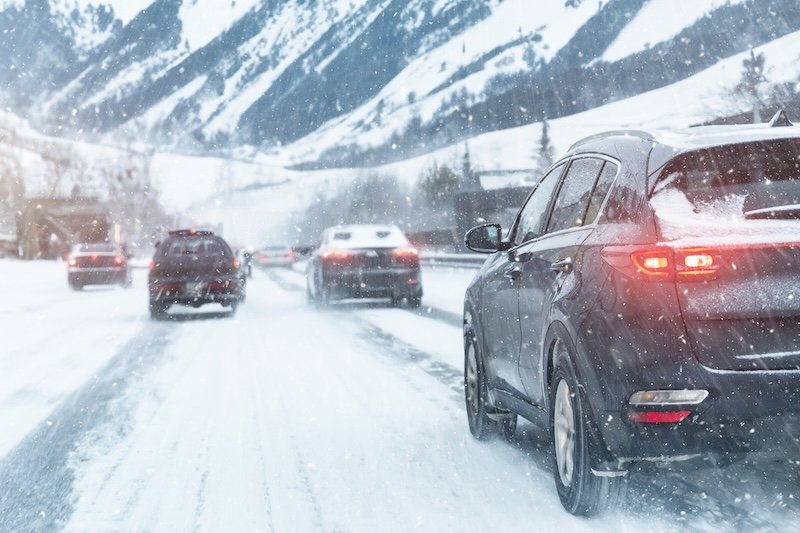
On dry pavement, modern braking systems respond quickly and predictably. Snow and ice remove that margin of safety. Reduced traction means your tires struggle to grip the road, even when brakes function correctly.
At 30 mph on dry pavement, a vehicle may stop in roughly 100 feet. On snow, that distance can double. On ice, it can quadruple. Worn brake components magnify the problem by delaying response time and reducing stopping power when it matters most.
Winter driving requires earlier braking, smoother inputs, and brakes that respond consistently without hesitation.
Brake Pads Matter More Than You Think
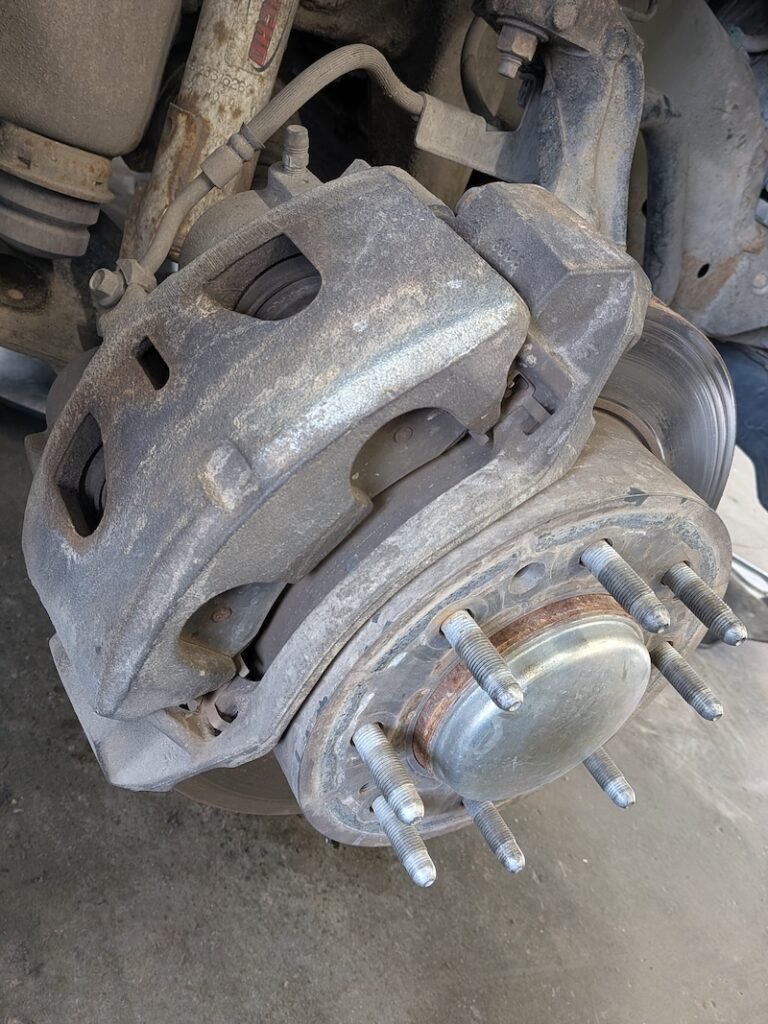
Brake pads provide the friction that slows your vehicle. During winter, pads must deliver that friction under colder temperatures and reduced traction conditions.
Thin or unevenly worn pads struggle to apply consistent pressure to the rotors. That inconsistency increases stopping distances and causes vibration or pulling when braking on slick roads. Cold temperatures can also make marginal pads feel less responsive.
A professional brake pad inspection checks thickness, wear patterns, and overall condition. Catching worn pads early prevents rotor damage and restores predictable braking performance before winter roads expose weaknesses.
Rotors and Contact Surface Count
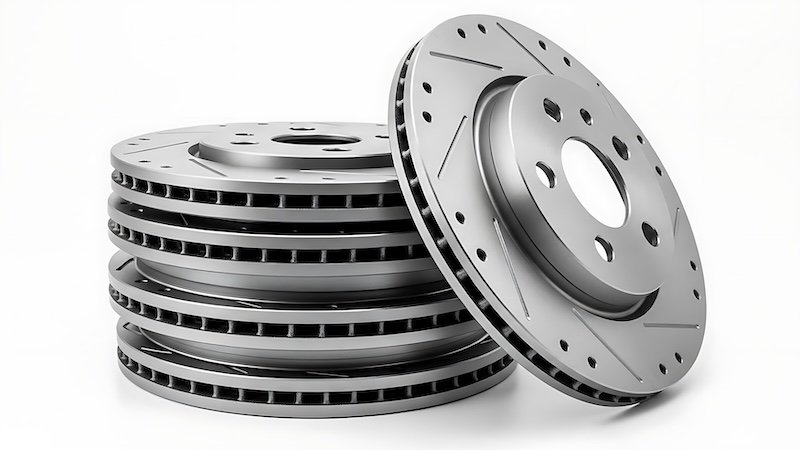
Brake pads don’t work alone. Rotors provide the surface that absorbs and disperses heat during braking. In winter, corrosion becomes a bigger concern due to moisture, road salt, and temperature swings.
Rust buildup, warped rotors, or uneven surfaces reduce pad contact and compromise braking efficiency. That reduction matters even more on snow and ice, where every bit of braking power counts.
Professional inspections evaluate rotor condition and determine whether resurfacing or replacement offers the safest solution.
Brake Fluid Plays a Critical Role in Winter
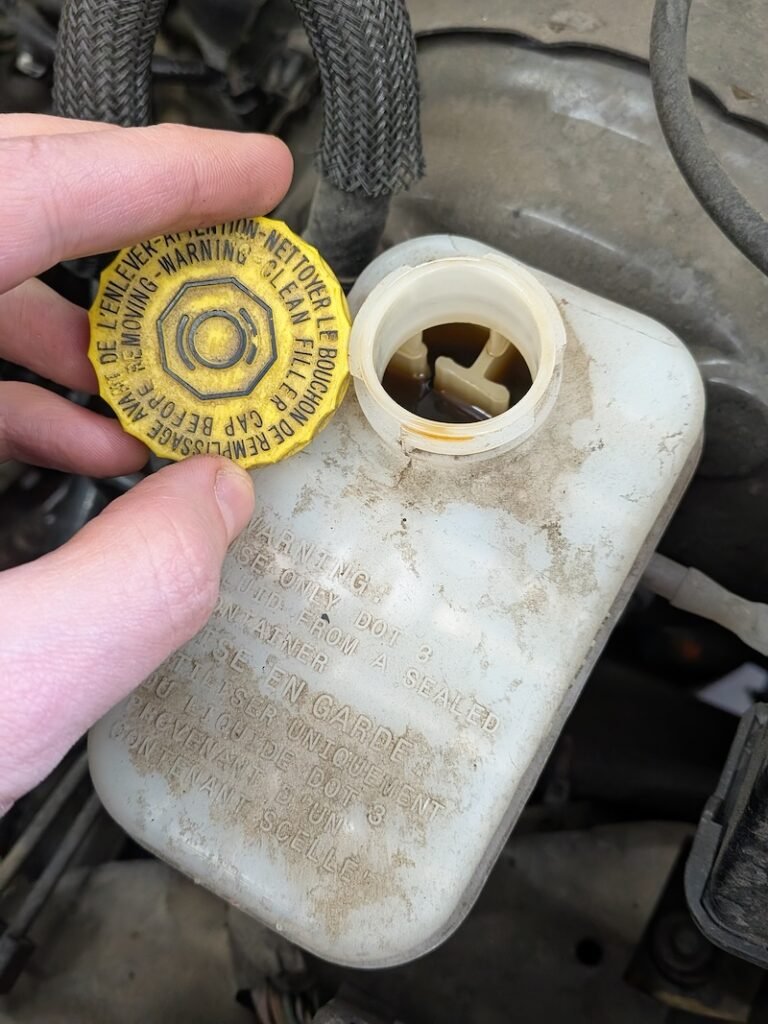
All too often, brake fluid often gets overlooked, but it plays a vital role in winter braking performance. Brake systems rely on hydraulic pressure to transfer force from the pedal to the brakes at each wheel.
Over time, brake fluid absorbs moisture. In winter, that moisture lowers the fluid’s boiling point and can cause internal corrosion. Cold temperatures also thicken degraded fluid, slowing brake response.
Old or contaminated brake fluid creates a soft or delayed pedal feel—something no driver wants on icy roads. Regular brake fluid inspections and flushes restore proper hydraulic pressure and consistent pedal response.
ABS and Traction Systems Depend on Healthy Brakes
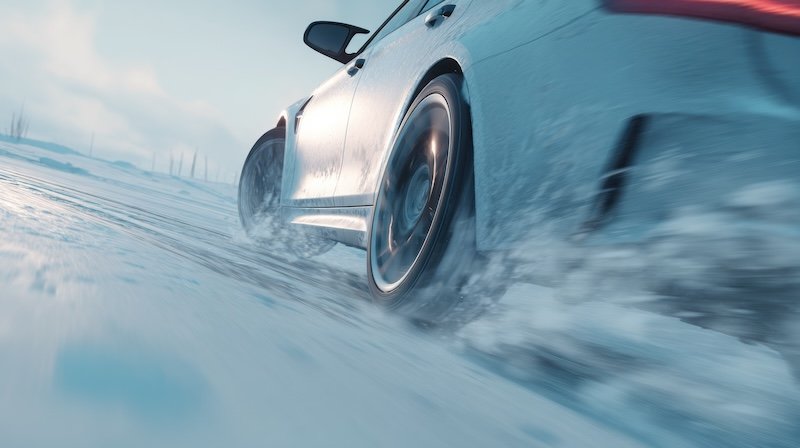
Most modern vehicles rely on anti-lock braking systems and traction control to maintain stability on slippery roads. These systems depend on accurate sensor readings and proper brake function to operate effectively.
Worn pads, uneven rotors, or compromised fluid can interfere with system response. Instead of helping you maintain control, compromised brakes force safety systems to work harder with less reliable input.
Keeping the mechanical brake system in top shape allows electronic safety systems to do their job properly.
Warning Signs to Address Before Winter Driving
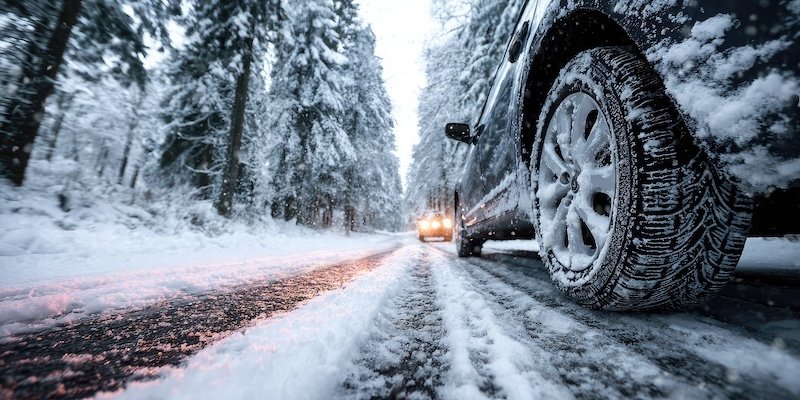
Many brake problems announce themselves before they become dangerous. Squealing, grinding, vibration, or pulling during braking indicate issues that worsen under winter conditions.
A spongy pedal, delayed response, or warning lights also deserve immediate attention. Cold weather rarely improves brake performance—it exposes problems that already exist. Addressing these signs early reduces the risk of winter breakdowns and emergency repairs.
Why Winter Inspections Matter More in Idaho
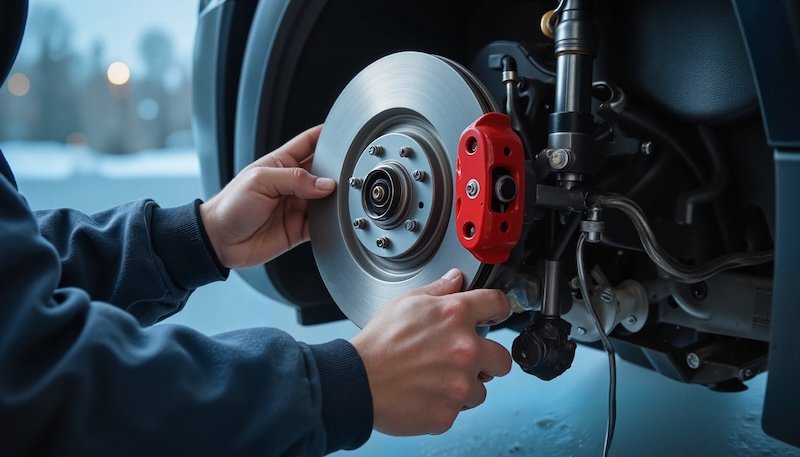
Boise winters bring freeze-thaw cycles, snowstorms, and road treatments that stress braking systems. Salt and moisture accelerate corrosion. Cold temperatures change material behavior. Slush finds its way into components.
A winter brake inspection accounts for these local conditions. Technicians look beyond basic wear and evaluate how the system will perform in real-world winter driving.
That proactive approach helps drivers avoid surprises when roads turn slick.
Professional Brake Checks Beat Guesswork
DIY inspections rarely tell the full story. Pad thickness alone doesn’t reveal fluid condition, rotor health, or hydraulic integrity. Professional inspections evaluate the entire braking system as a unit.
That comprehensive view leads to better decisions, safer driving, and longer-lasting repairs. It also prevents unnecessary replacements while catching issues before they escalate. Winter driving demands confidence. Professional brake checks help deliver it.
Preparing Now Pays Off All Season
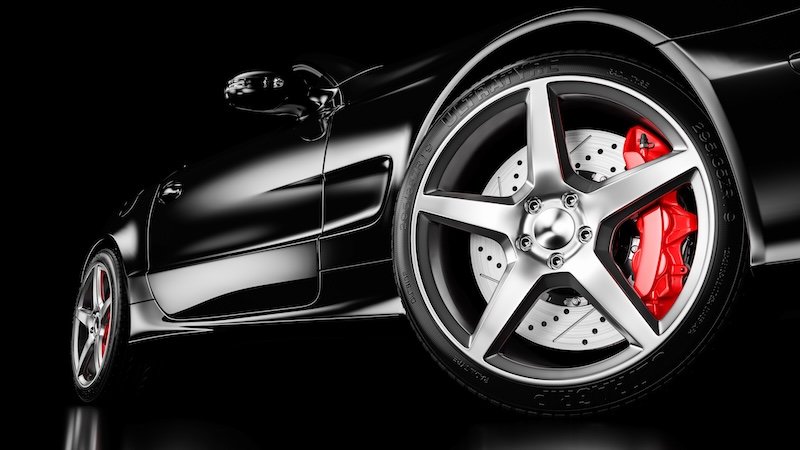
Waiting until snow piles up puts drivers at a disadvantage. Preparing your brakes early ensures your vehicle responds predictably when winter conditions arrive without warning.
Safe stopping protects more than your car—it saves lives.
About Garry’s Automotive in Boise, Idaho
Garry’s Automotive proudly serves Boise and the greater Treasure Valley with honest, professional auto repair and maintenance. Our experienced technicians handle everything from brake inspections and repairs to full mechanical service, all backed by the NAPA Nationwide Peace of Mind Warranty. We focus on clear communication, quality workmanship, and keeping Boise drivers safe on the road year-round. When winter driving demands reliable braking, Garry’s Automotive stands ready to help.